Why Do I Wake Up at 3 A.M.? Common Causes and What Helps
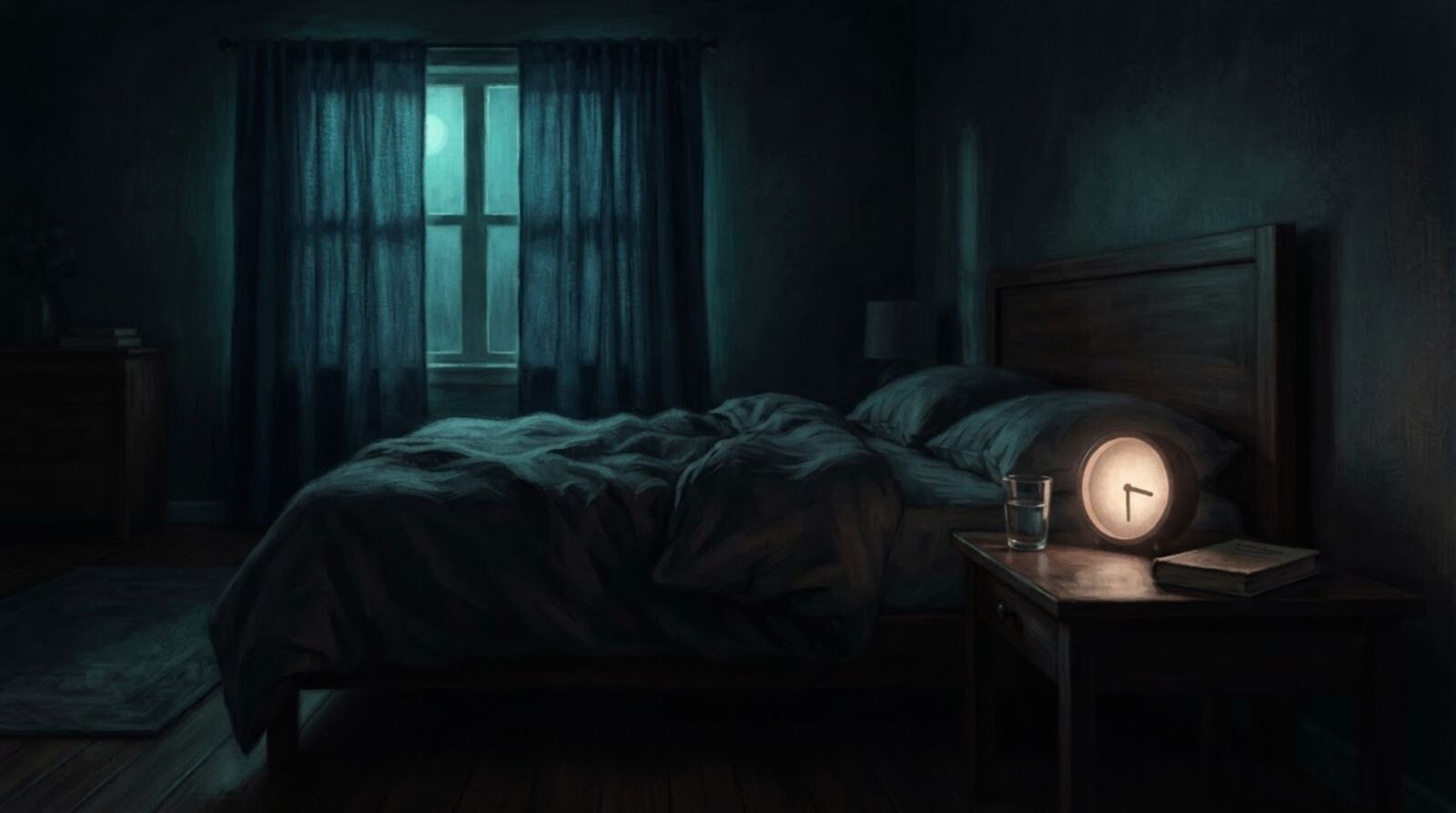
Waking up in the small hours and being unable to fall back asleep is one of the most common sleep complaints. Sleep is not one flat block. We move through lighter and deeper stages in cycles of roughly 90 minutes, and brief awakenings between cycles are normal. The problem starts when you become fully alert and cannot drift off again.
Common reasons you wake in the night
- Stress and worry, which can keep the body in a lightly alert state.
- Alcohol in the evening, which may help you fall asleep but often fragments sleep later.
- A room that is too warm, too bright or noisy.
- Caffeine late in the day.
- A full bladder, often linked to drinking a lot of fluid close to bedtime.
- An irregular schedule or too much time in bed.
- Medical issues such as sleep apnea, pain or hormonal changes, which a doctor can assess.
What to do when you wake up
First, avoid checking the time. Watching the clock tends to raise stress and make it harder to sleep. Turn the clock away or cover it. Then try slow breathing: breathe in for four seconds and out for six to eight, for a few minutes. Relax your jaw and shoulders and let your thoughts drift without chasing them.
If you are still wide awake after about 20 minutes, get up and sit somewhere dimly lit. Read a few pages of a paper book, listen to soft ambient sound or stretch gently. Return to bed when you feel sleepy. This keeps your brain linking the bed with sleep and not with frustration.
Habits that reduce night wakings
- Keep wake-up time consistent every day.
- Limit alcohol and stop caffeine by early afternoon.
- Finish large drinks a couple of hours before bed.
- Keep the bedroom cool, dark and quiet.
- Write down worries earlier in the evening so they stay on paper.
- Get daylight and movement during the day.
When to see a doctor
Talk with a doctor if you wake often for several weeks, snore loudly or wake gasping, feel exhausted during the day, or notice that low mood or anxiety is growing. Effective treatments exist, including cognitive behavioral therapy for insomnia.
This article is for general information and is not medical advice. If sleep problems last for weeks, or you feel unusually sleepy during the day, talk with a doctor or a licensed sleep specialist.