How to Get More Deep Sleep: What Helps and What Is Hype
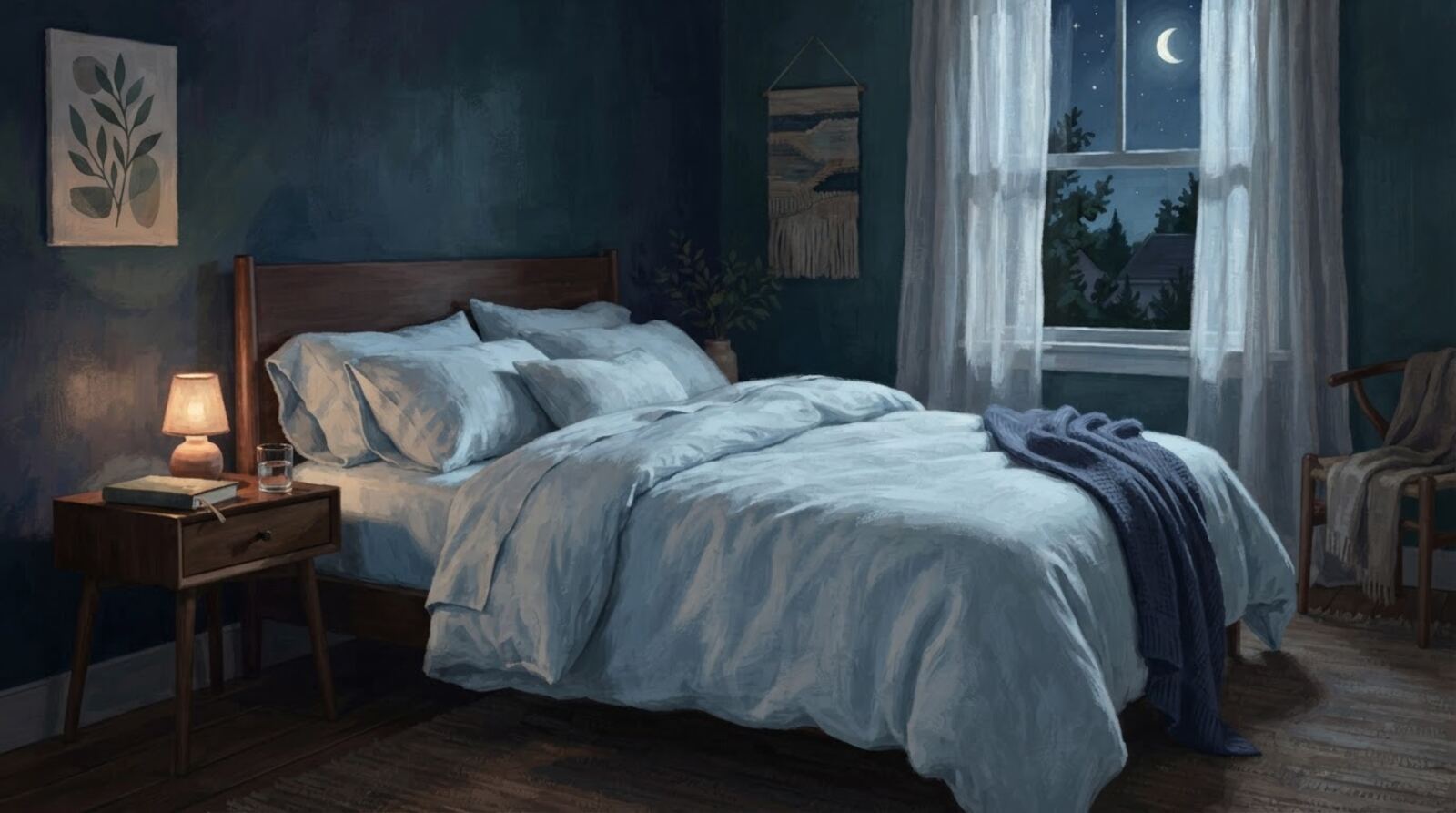
Deep sleep, also called slow-wave sleep, is the stage of sleep when your brain waves slow down and your body does much of its physical recovery. It is hard to wake someone from deep sleep, and most of it happens in the first half of the night. Phone apps and wearables claim to measure it, but they are estimates, so use them as a rough guide and not as a verdict.
How much deep sleep do adults need?
There is no exact number that fits everyone. Many references describe deep sleep as roughly 10 to 25 percent of a night's sleep for healthy adults, and the share tends to decrease with age. Rather than chasing a number, focus on getting enough total sleep, which most adults need at around seven or more hours.
Habits that support deep sleep
- Keep a regular sleep and wake time, since irregular schedules can fragment sleep.
- Get daytime light and regular physical activity, which are linked with better sleep.
- Avoid alcohol close to bedtime. It can make you drowsy but often disrupts sleep later in the night.
- Limit caffeine in the afternoon and evening.
- Keep the bedroom cool, dark and quiet.
- Finish large meals a few hours before bed.
- Allow enough time in bed so your night is not cut short, because deep sleep comes early and total sleep matters.
What about supplements and gadgets?
Be cautious with products that promise to boost deep sleep. Evidence for most supplements is limited, and some can interact with medicines. Talk with a pharmacist or doctor before taking anything regularly. Wearables can help you notice patterns, such as late nights, but their stage-by-stage numbers are not medical measurements.
Signs it is time to see a professional
If you wake unrefreshed most days, snore loudly, stop breathing during sleep, or feel very sleepy during the day, see a doctor. Conditions such as sleep apnea can prevent deep sleep and are treatable.
This article is for general information and is not medical advice. If sleep problems last for weeks, or you feel unusually sleepy during the day, talk with a doctor or a licensed sleep specialist.