How People Slept in Ancient Rome and Egypt (and What We Can Borrow)

Before electric lights and glowing screens, evenings ended with the sun, and nights were dark. Historians and archaeologists have pieced together fragments of how people in the ancient world slept, mostly from artifacts, art and written sources. The picture is incomplete, and much is still debated, but a few themes are worth knowing.
Egypt: headrests and cool rooms
Archaeologists have found curved headrests, often made of wood or stone, in ancient Egyptian settings and tombs. Rather than a soft pillow, a headrest raised the head and neck, and some scholars suggest it may also have helped keep the head cool in a hot climate. Beds were often raised off the ground, and homes used thick walls and ventilation to stay cool at night.
Rome: evenings by lamplight
In Roman cities, oil lamps and candles gave limited light, so many activities, such as dinners and conversations, ended earlier than modern habits. Roman writers describe rising early, with the day's business starting at dawn. Wealthy households used couches and mattresses stuffed with wool or feathers, while many ordinary people slept on simpler bedding.
Segmented sleep: a debated idea
Historian Roger Ekirch has argued that people in pre-industrial Europe often slept in two phases at night, with a quiet period of wakefulness in between. Some references in Latin literature are cited as hints of a similar pattern, but how common it was, and how far it applies to the ancient world, is debated. It is still a reassuring thought if you sometimes wake in the night: waking briefly may be less unusual than we assume.
What we can borrow
- Follow natural light: strong morning light and dim evenings.
- Keep the sleeping space cool and uncluttered.
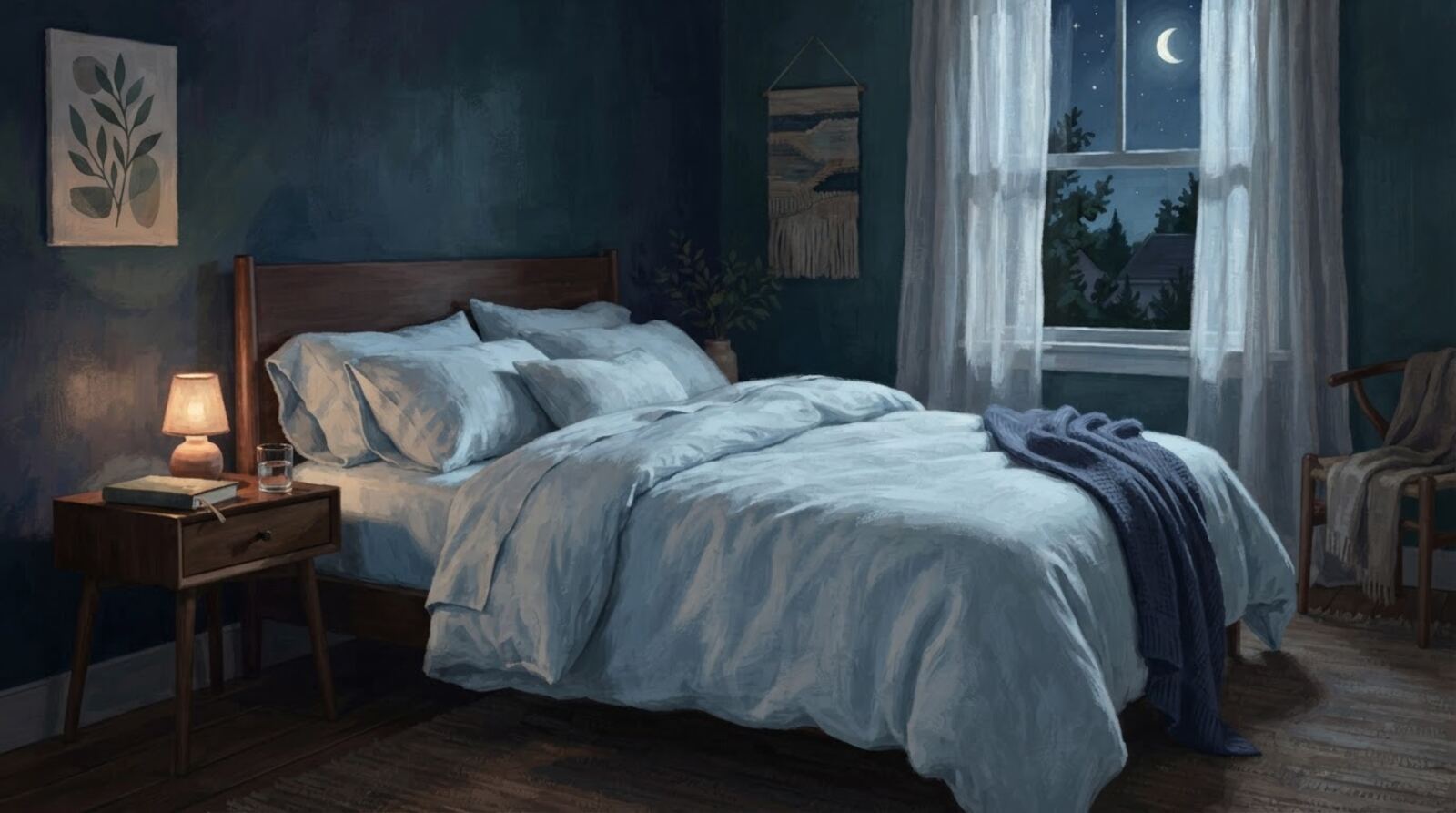
- Make the end of the day quiet, with soft light and calm sounds.
- Treat a short nighttime waking as normal, and stay relaxed instead of anxious.
Listen to the ancient world
If this topic interests you, our Ancient Hours YouTube channel features one-hour ambient mixes inspired by Rome and Egypt, made for relaxing, studying and winding down at the end of the day.
This article is for general information and is not medical advice. If sleep problems last for weeks, or you feel unusually sleepy during the day, talk with a doctor or a licensed sleep specialist.